Health Issues and Their Prevention Among Women of Reproductive Age in India
Health Issues and Their Prevention Among Women of Reproductive Age in India
Dr. Sukhmanpreet Kaur
6/29/20252 min read
Health Issues and Their Prevention Among Women of Reproductive Age in India
Introduction
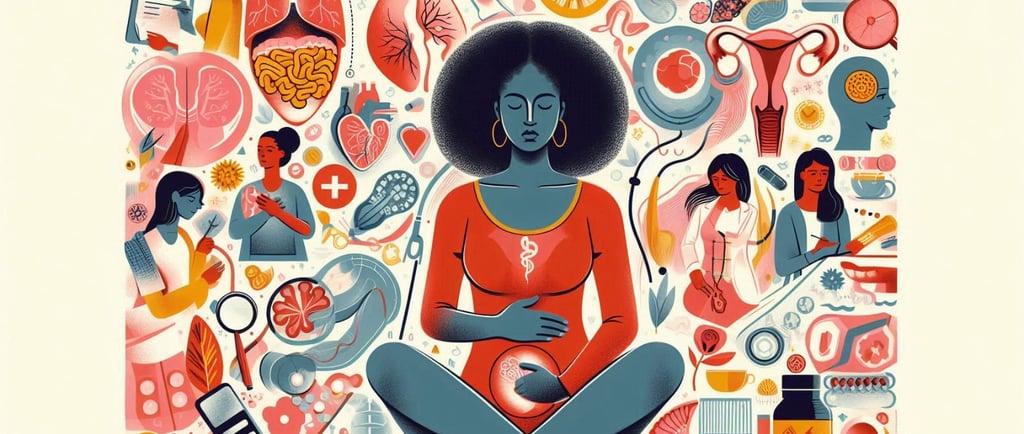
Women of reproductive age (15–49 years) represent a vital segment of the Indian population. Their health is not only essential for their well-being but also crucial for family and societal development. Despite various health programs and awareness initiatives, women in this age group continue to face a range of physical, mental, and social health challenges. This article explores the major health issues affecting women of reproductive age in India and outlines preventive strategies to address them effectively.
Common Health Issues Among Women of Reproductive Age
1. Anemia
Anemia, primarily due to iron deficiency, is highly prevalent among Indian women. According to NFHS-5 (2019–21), over 57% of women in this age group are anemic. It is often exacerbated by poor diet, frequent pregnancies, and menstrual blood loss.
2. Reproductive and Sexual Health Problems
This includes issues such as menstrual irregularities, sexually transmitted infections (STIs), polycystic ovarian syndrome (PCOS), infertility, and reproductive tract infections (RTIs). These are often underreported due to stigma and a lack of awareness.
3. Maternal Health Complications
Many women experience complications during pregnancy and childbirth, including gestational diabetes, preeclampsia, and postpartum depression. Limited access to quality antenatal and postnatal care worsens outcomes.
4. Non-Communicable Diseases (NCDs)
As lifestyles change, women are increasingly affected by NCDs such as diabetes, hypertension, cardiovascular diseases, and cancers (especially breast and cervical cancer).
5. Mental Health Issues
Depression, anxiety, and stress-related disorders are growing concerns, often linked to hormonal changes, social pressures, and a lack of mental health support.
6. Malnutrition and Obesity
Undernutrition and obesity coexist among Indian women, leading to complications such as infertility, pregnancy complications, and NCDs.
7. Gender-Based Violence and Its Impact on Health
Domestic violence, sexual abuse, and gender discrimination contribute significantly to poor physical and mental health outcomes.
Preventive Strategies and Interventions
1. Nutritional Interventions
Promote iron and folic acid supplementation.
Encourage consumption of iron-rich foods like green leafy vegetables, legumes, and fortified cereals.
Address both undernutrition and overnutrition through balanced diets and nutrition education.
2. Access to Reproductive Health Services
Ensure the availability of family planning services.
Promote menstrual hygiene and access to sanitary products.
Increase awareness and screening for RTIs, STIs, and cervical cancer.
3. Maternal and Child Health Programs
Strengthen antenatal and postnatal care through programs like Janani Suraksha Yojana (JSY) and Pradhan Mantri Matru Vandana Yojana (PMMVY).
Promote institutional deliveries and safe motherhood practices.
4. Early Screening and Management of NCDs
Regular screening for blood pressure, blood sugar, and BMI.
Encourage physical activity and discourage tobacco and alcohol use.
5. Mental Health Support
Integrate mental health services into primary care.
Raise awareness about postpartum depression and other mental illnesses.
Promote stress management techniques like yoga, meditation, and counseling.
6. Empowerment and Education
Educate women about their rights and health.
Promote female education and economic independence.
Encourage participation in decision-making processes at home and in the community.
7. Legal and Social Support
Enforce laws protecting women against domestic violence and sexual harassment.
Provide shelters and helplines for women in distress.
Conclusion
Improving the health of women in the reproductive age group is essential for the overall development of the nation. A comprehensive, multi-sectoral approach involving government, healthcare providers, civil society, and the community is needed. Preventive care, education, and empowerment are key to addressing these challenges and ensuring that women lead healthy, fulfilling lives.
References
Ministry of Health and Family Welfare. (2021). National Family Health Survey (NFHS-5), 2019–21. Government of India.
World Health Organization. (2022). Women’s health. https://www.who.int/health-topics/women-s-health
International Institute for Population Sciences (IIPS). (2021). India fact sheet - NFHS-5.
National Health Mission. (2023). Guidelines for Prevention and Control of Common NCDs. Government of India.